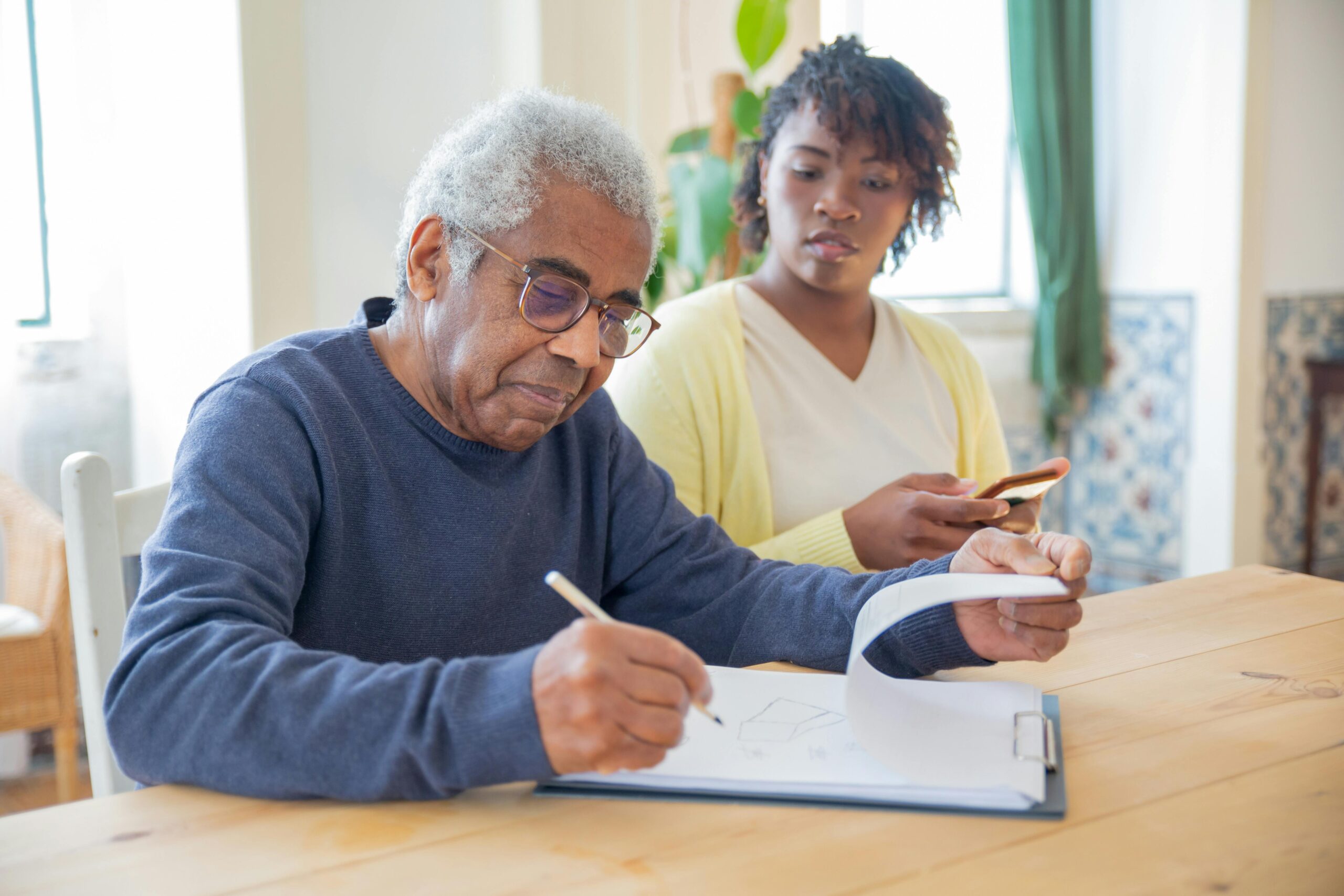

How to Communicate Effectively with Seniors
Effective communication is essential for building strong relationships with seniors and ensuring their needs are understood and respected. As people age, they may experience changes in hearing, memory, or cognitive function, which can make conversations more challenging. By practicing patience, active listening, and empathy, caregivers and family members can create a supportive environment where seniors feel heard, valued, and respected.
Using clear, simple language and speaking at a moderate pace can make a significant difference. Avoid rushing or interrupting, and allow extra time for seniors to process information and respond. Nonverbal cues, such as eye contact, gentle touch, and facial expressions, also play a crucial role in conveying warmth, understanding, and attentiveness.
It’s equally important to involve seniors in decision-making whenever possible. Asking for their preferences, opinions, and feedback fosters independence and reinforces a sense of dignity. Encouraging storytelling, reminiscing about past experiences, or discussing familiar topics can also enhance engagement and mental stimulation.
Creating a positive communication environment benefits both seniors and caregivers. Clear, empathetic interactions reduce frustration, prevent misunderstandings, and strengthen emotional connections. By prioritizing respect, patience, and meaningful dialogue, families and caregivers can support seniors’ wellbeing, confidence, and quality of life every day.